From GTA V to GTA VI, Sports Became a Different World
The 4,811 days between GTA V and GTA VI reshaped how champions are crowned, athletes build careers and fans experience the games.
By Captain Hook 🪝 · 2026-11-18T02:47:41.305Z
When Grand Theft Auto V arrived on September 17, 2013, the Baltimore Ravens were defending Super Bowl champions, the Miami Heat had just repeated as NBA champions and the Chicago Blackhawks held the Stanley Cup. Peyton Manning was beginning a season that would end with 55 touchdown passes. LeBron James was the reigning NBA MVP and Finals MVP. College football was playing its final season under the BCS.
That world does not feel ancient until you list everything it did not have. There was no College Football Playoff, no NBA Play-In Tournament, no pitch clock, no universal designated hitter and no widespread legal mobile sports betting. College players could not enter a centralized transfer portal, sign name, image and likeness deals or receive direct revenue-sharing payments from their schools.
Grand Theft Auto VI is scheduled for November 19, 2026, exactly 4,811 days after GTA V. Thirteen years between games became thirteen years of expansion, new postseason formats, record contracts and a complete rewrite of the relationship between athletes, leagues, schools and fans.
The champions changed. The stars changed. More importantly, the machinery around them changed.
The championship map turned over completely
A clean release-date comparison has to use the most recently completed championship before each game arrived. That avoids treating a season still in progress as if it had already produced a champion.
- NFL
- When GTA V arrived: Baltimore Ravens, Super Bowl XLVII
- Before GTA VI: Seattle Seahawks, Super Bowl LX
- NBA
- When GTA V arrived: Miami Heat, 2013 Finals
- Before GTA VI: New York Knicks, 2026 Finals
- MLB
- When GTA V arrived: San Francisco Giants, 2012 World Series
- Before GTA VI: Milwaukee Brewers, 2026 World Series
- NHL
- When GTA V arrived: Chicago Blackhawks, 2013 Stanley Cup
- Before GTA VI: Carolina Hurricanes, 2026 Stanley Cup
- WNBA
- When GTA V arrived: Indiana Fever, 2012 Finals
- Before GTA VI: Golden State Valkyries, 2026 Finals
The turnover is complete: not one champion from the GTA V launch window remained in the same position by the GTA VI release window. Even that understates the distance between the eras. Golden State did not have a WNBA team in 2013. Seattle had not yet joined the NHL. The Knicks had not won an NBA title since 1973.
The individual leaders tell a similar story, with one useful warning: newer does not automatically mean statistically bigger.
- NFL
- GTA V era: 2013 MVP Peyton Manning; 5,477 passing yards and 55 passing touchdowns
- Latest completed season: 2025 MVP and passing leader Matthew Stafford; 4,707 yards
- NBA
- GTA V era: 2012–13 MVP LeBron James; scoring leader Carmelo Anthony, 28.7 PPG
- Latest completed season: 2025–26 MVP Shai Gilgeous-Alexander; scoring leader Luka Dončić, 33.5 PPG
- MLB
- GTA V era: 2013 MVPs Miguel Cabrera and Andrew McCutchen; home-run leader Chris Davis, 53
- Latest completed season: 2026 MVPs Yordan Alvarez and Pete Crow-Armstrong; home-run co-leaders Crow-Armstrong and Kyle Schwarber, 45
- NHL
- GTA V era: 2012–13 Hart winner Alex Ovechkin; Art Ross winner Martin St. Louis, 60 points in 48 games
- Latest completed season: 2025–26 Hart winner Nikita Kucherov; Art Ross winner Connor McDavid, 138 points
- WNBA
- GTA V era: 2012 MVP Tina Charles; scoring leader Angel McCoughtry, 21.4 PPG
- Latest completed season: 2026 MVP and scoring leader A’ja Wilson, 26.2 PPG
Manning’s 5,477 yards still exceed Stafford’s 2025 league-leading total, and Davis hit eight more home runs in 2013 than the 2026 co-leaders. The real transformation is not a straight line of ever-larger box scores. It is the environment in which those numbers were produced.
LeBron is the rare bridge between both windows. He was at the center of the league when GTA V launched and was still setting longevity records during the 2025–26 season. Most of the other defining athletes of September 2013 had retired long before GTA VI release week.
The games look familiar, but they do not work the same way
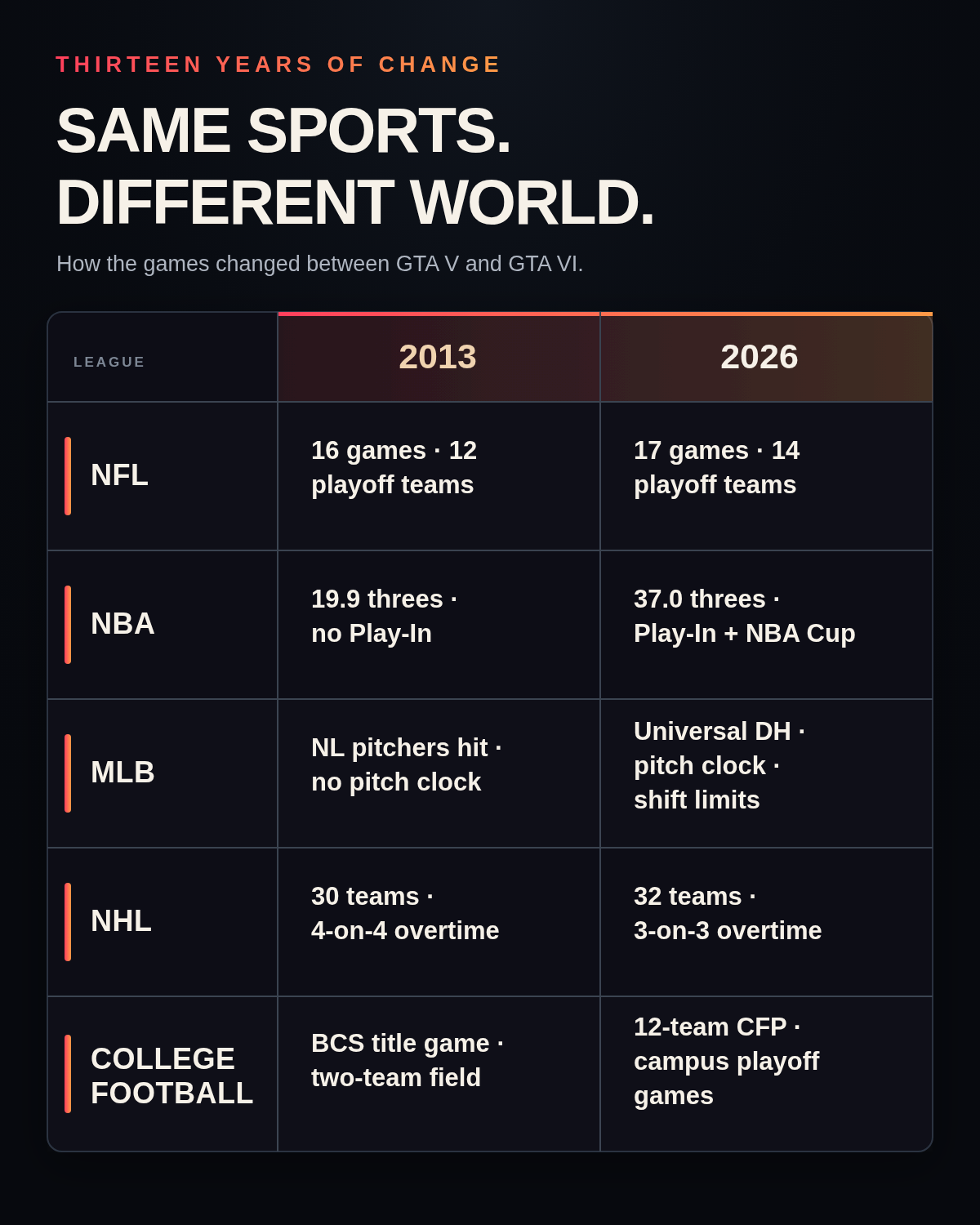
The 2013 NFL had a 16-game regular season and a 12-team playoff field. By 2026, teams played 17 games and 14 qualified for the postseason. That meant another week of inventory, two additional playoff participants and more football positioned for national television. The sport remained recognizable, but the road from Week 1 to the Super Bowl became longer and wider.
The NBA’s change was visible every night. In 2012–13, teams averaged about 19.9 three-point attempts per game. By 2025–26, that figure was roughly 37.0. The Miami Big Three won the 2013 championship while the league was only beginning its full commitment to spacing and volume shooting. The 2026 game was built around positionless lineups, deep shooting and five-out spacing. It also had a permanent Play-In Tournament and an NBA Cup, two competitive layers that did not exist when GTA V arrived.
Baseball may have changed the viewing experience more than any other major league. In 2013, National League pitchers still batted, infielders could be repositioned without today’s shift restrictions and there was no pitch timer. By 2026, MLB had a universal designated hitter, a pitch clock, larger bases, limits on extreme defensive shifts and a 12-team postseason. The basic contest remained pitcher against hitter, but the pace, positioning and playoff route had all been rebuilt.
The NHL moved from 30 teams to 32, adding Vegas and Seattle, and replaced four-on-four regular-season overtime with three-on-three play. The extra open ice made overtime feel less like an abbreviated period and more like a separate, high-speed event. Across the leagues, rules that once felt permanent turned out to be adjustable when entertainment, pace and broadcast inventory were at stake.
The money stopped looking real
The NFL salary cap rose from $123 million per club in 2013 to $301.2 million in 2026, an increase of about 145 percent before adjusting for inflation. Joe Flacco signed a six-year, $120.6 million contract after Baltimore’s championship. Dak Prescott’s four-year, $240 million extension carried a $60 million annual average—nearly three times Flacco’s yearly figure.
The NBA cap climbed from $58.679 million in 2013–14 to $164.961 million for 2026–27. Stephen Curry’s reported $62.6 million salary for 2026–27 was larger than the entire team cap when GTA V launched. It is not a perfect contract-to-cap comparison, but it captures the new scale better than another list of record deals could.
Shohei Ohtani became baseball’s clearest marker of a new financial era. His 10-year, $700 million contract with the Dodgers deferred $680 million of the total until after the deal’s 10-year term, so the headline figure did not reflect its present-day value. Even with that structure, the scale was unmistakable. Ohtani’s rare combination of two-way production and global marketability pushed the ceiling for a single player into territory baseball had never seen.
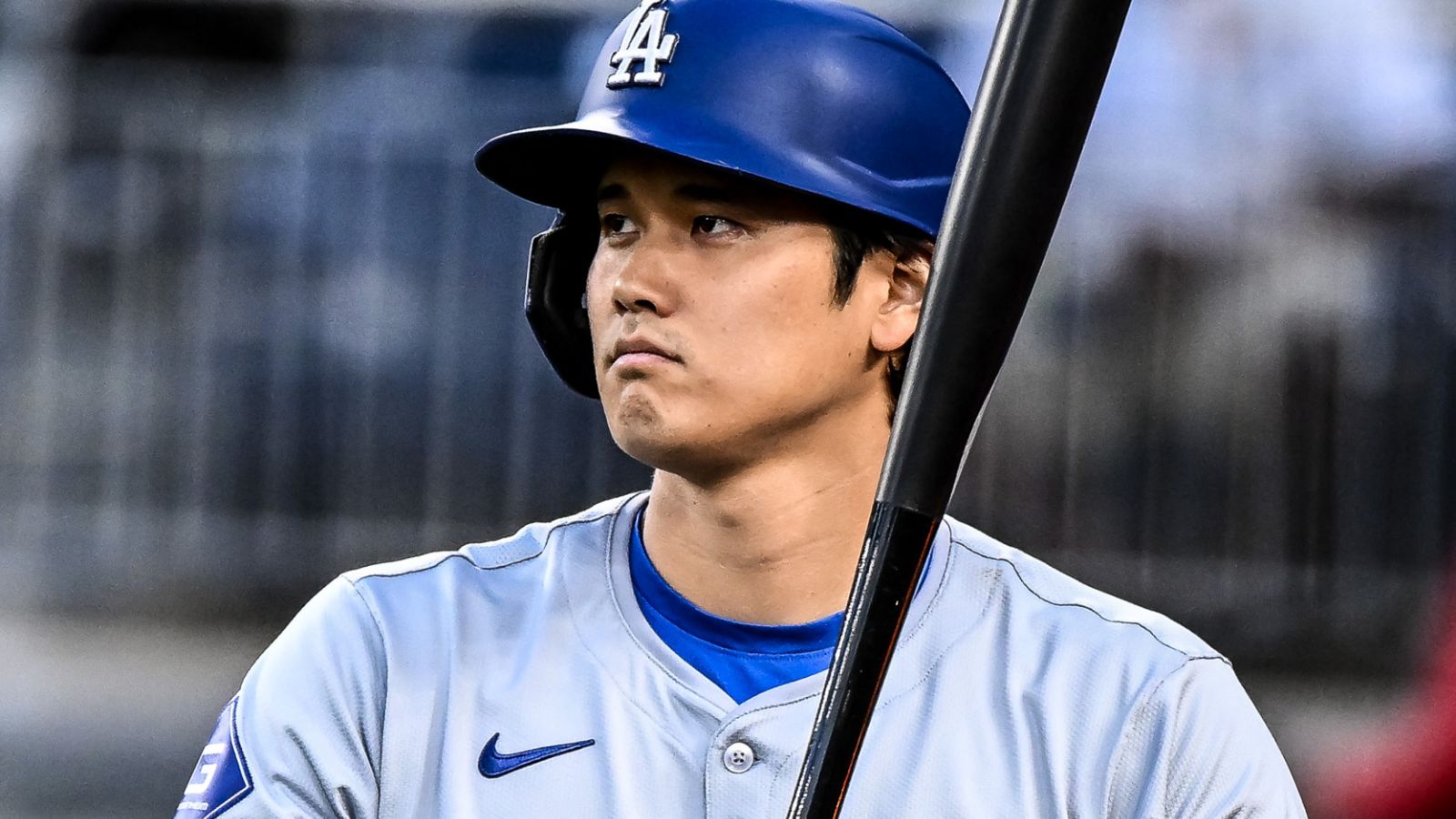
Photo: All-Pro Reels via Wikimedia Commons · CC BY-SA 2.0.
The NHL’s upper limit increased from $64.3 million in 2013–14 to $104 million for 2026–27. Kirill Kaprizov’s eight-year, $136 million Minnesota extension begins in 2026–27 with a $17 million annual value. Different cap systems make cross-league comparisons imperfect, but the direction is unmistakable: the price of elite talent and the revenue flowing around it now operate on a different tier.
College sports broke with their old model
GTA V landed during the final BCS season. The four-team College Football Playoff began the following year, and the 12-team version debuted a decade later. Even that format is already temporary. The current 2026–27 postseason remains at 12 teams, but the 24-team CFP will begin with the 2027–28 season, adding a second campus round and expanding the on-campus schedule from four games to 16.
College basketball is moving in the same direction. The NCAA men's and women's tournaments will expand from 68 to 76 teams in 2027, adding a 12-game Opening Round before the traditional 64-team bracket. The BCS once asked voters and computers to identify two title contenders. The next college postseason era will begin with 24 football teams and 76 basketball teams.
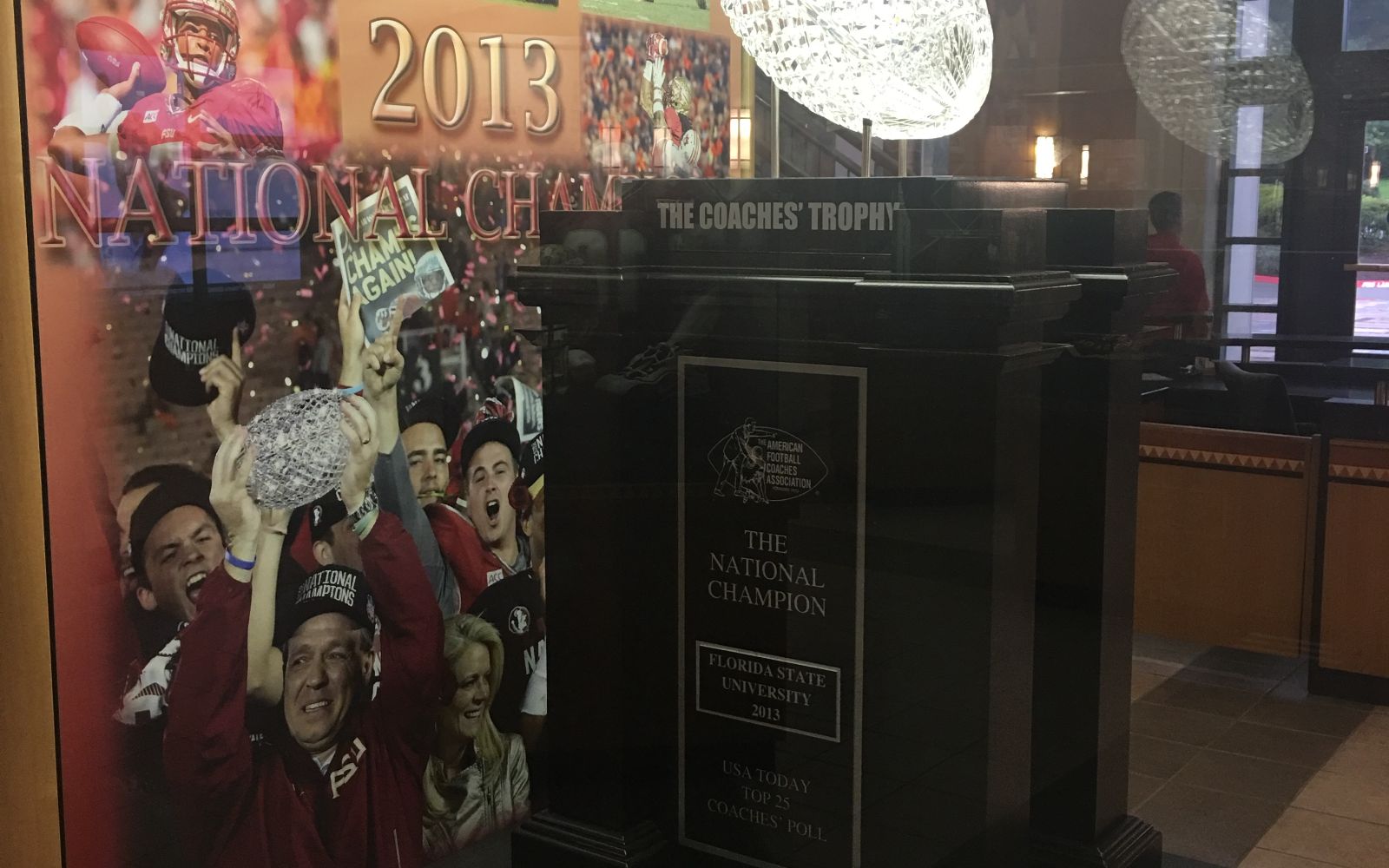
Photo: SeminoleNation via Wikimedia Commons · CC BY-SA 4.0.
The postseason expansion was significant. Athlete movement and compensation were the real structural break. The Division I transfer portal opened in 2018. Name, image and likeness rules changed in 2021, allowing athletes to earn endorsement income. The House v. NCAA settlement then cleared the way in 2025 for participating schools to share revenue directly with athletes under an annual cap.
In 2013, roster building largely meant recruiting high school players and trying to retain them inside a tightly controlled amateur system. By 2026, coaches managed high school recruiting, portal acquisition, NIL collectives, revenue-sharing budgets and roster retention. The uniforms looked the same. The labor market underneath them did not.
Expansion and betting changed how fans enter the sports world
The WNBA had 12 teams in 2013. Golden State became its 13th in 2025, with Toronto and Portland taking the league to 15 in 2026. The NHL reached 32 with Vegas and Seattle. More markets had teams, more athletes had roster spots and more local fan bases had a direct entry point.
Sports betting changed even more dramatically. In 2013, legal wagering remained largely confined to Nevada and betting talk still sat outside mainstream game coverage. The Supreme Court’s 2018 decision in Murphy v. NCAA allowed states to authorize sports wagering, opening the door to the sportsbook apps, advertisements, odds integrations and same-game parlays that became routine in many jurisdictions.
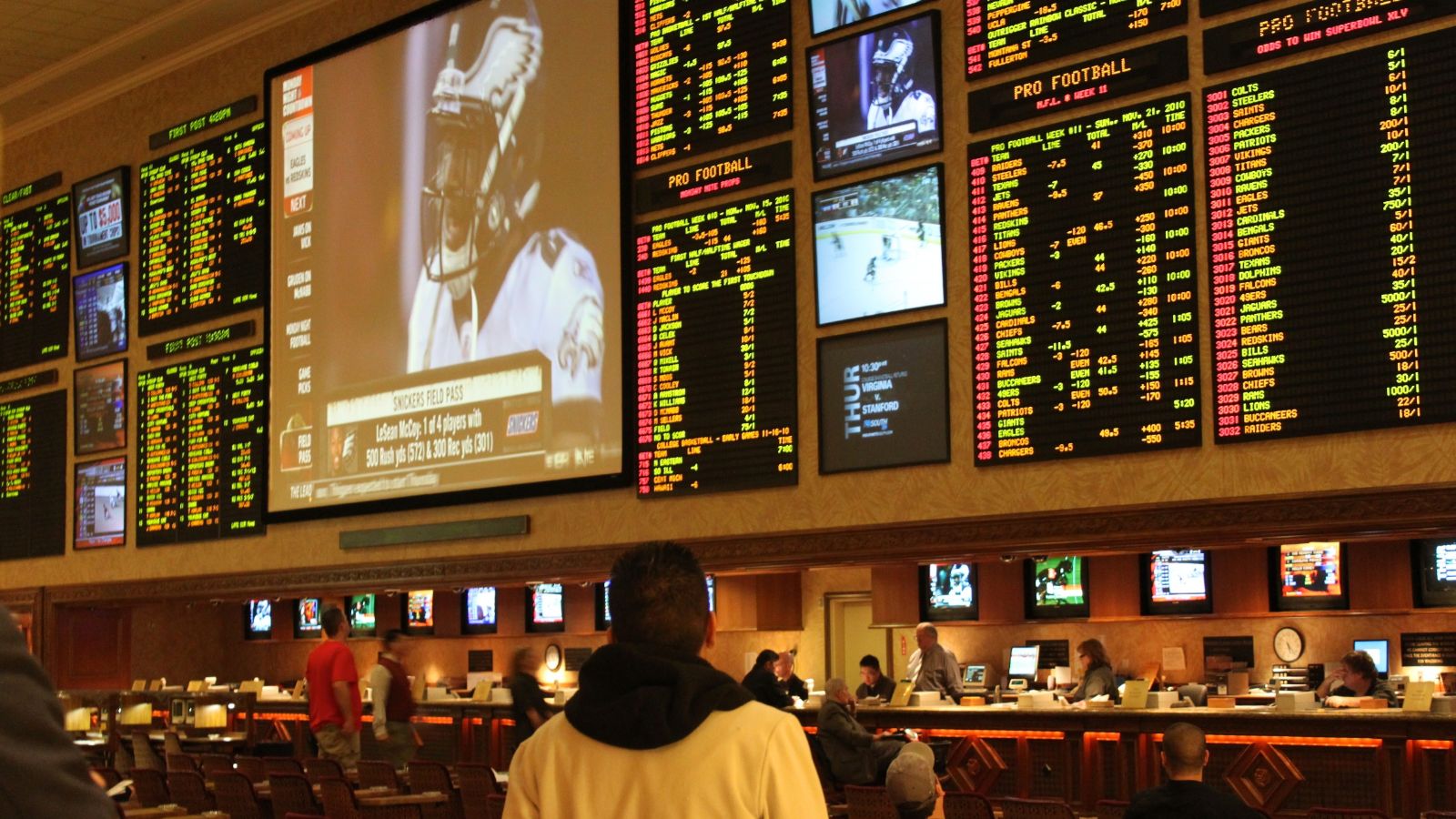
Photo: Baishampayan Ghose via Wikimedia Commons · CC BY-SA 2.0.
By 2026, the conversation no longer stopped with sportsbooks. Prediction markets had also become a visible part of the sports economy. Their structure and regulatory treatment differed from conventional books—and remained contested between federal market oversight and state gaming authorities—but fans could now encounter both products around the same games. That is a massive cultural shift from an era when even mentioning a betting line during a broadcast could feel taboo.
Yes, all of this happened before GTA VI
Thirteen years is enough time for an entire sports era to begin, peak and end. While Rockstar moved from V to VI:
- NFL: Tom Brady retired, returned 40 days later, played another season and retired again.
- NBA: LeBron James became the league's all-time scoring leader, reached 40,000 points and played alongside his son.
- MLB: The Cubs ended a 108-year World Series drought.
- NHL: The Vegas Golden Knights were created, reached the Stanley Cup Final in Year 1 and won it in Year 6.
- CBB: UMBC became the first No. 16 seed to beat a No. 1 when it stunned Virginia in 2018; Fairleigh Dickinson repeated the feat against Purdue in 2023.
- WNBA: Caitlin Clark was 11 years old when GTA V launched. Before GTA VI, she broke the NCAA scoring record and recorded the first rookie triple-double in WNBA history.
- PGA: Tiger Woods completed his comeback by winning the Masters again.
- UFC: Conor McGregor became a simultaneous two-division champion, boxed Floyd Mayweather and later broke his leg in the Octagon.
- NASCAR: The Cup Series held a race on the streets of downtown Chicago.
- CFB: EA's college football series disappeared for 11 years and still returned before GTA VI.
Eight releases frame nearly 29 years of sports history
The full GTA timeline shows how much sports history fits inside one franchise:
- 1997 — Grand Theft Auto: The NFL salary cap was $41.5 million, and the WNBA had just completed its first season.
- 1999 — Grand Theft Auto 2: The Cleveland Browns returned as an expansion franchise, and the modern 30-team NBA was still five years away.
- 2001 — Grand Theft Auto III: Barry Bonds had just completed his 73-home-run season. The Diamondbacks would win the World Series less than two weeks after the game’s release, while the Patriots had not yet won a Super Bowl.
- 2002 — Grand Theft Auto: Vice City: Michael Jordan was about to begin the final season of his NBA career, his second with the Washington Wizards.
- 2004 — Grand Theft Auto: San Andreas: Boston ended its 86-year World Series championship drought one night after the game’s North American release, and the NHL lockout was already underway.
- 2008 — Grand Theft Auto IV: The SuperSonics were preparing to relocate to Oklahoma City. The CFP, NIL compensation and widespread state-authorized sports betting remained years away.
- 2013 — Grand Theft Auto V: College football was playing the final BCS season before the four-team CFP began, while the NFL still played 16 games and the NHL still used four-on-four overtime.
- 2026 — Grand Theft Auto VI: A 17-game NFL schedule, expanded playoffs, direct college-athlete payments and the coexistence of mainstream sportsbooks and prediction markets defined the new baseline. The 24-team CFP and 76-team NCAA tournaments were already approved for 2027.
Nearly 29 years separate the original GTA from GTA VI, and 4,811 days passed between V and VI alone. The games still look familiar, but the systems around them—schedules, postseasons, athlete movement, compensation and betting—have been rebuilt.
The athletes create the memories. The wait for GTA VI shows how quickly the entire world around them can become unrecognizable.